
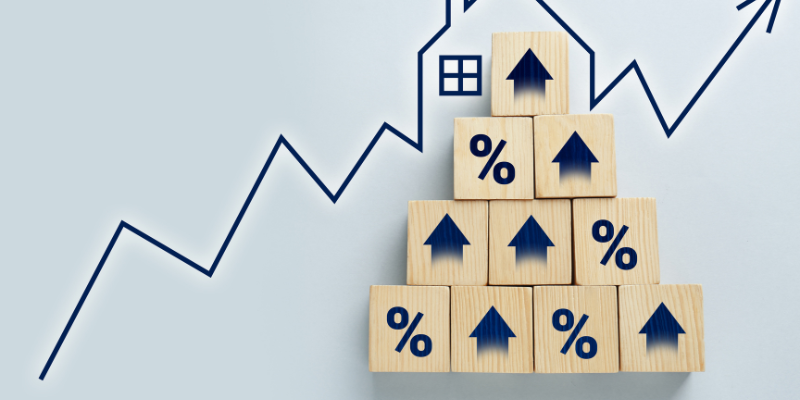
Understanding the property tax system in Fairfax, VA, is important for potential and current homeowners in this fast-growing community. Whether you are trying to understand potential homeownership costs or looking at property expenses, knowing the real estate tax rates is essential. Considering Fairfax’s growing urban and suburban combination, understanding these taxes can help you plan more effectively. Cash For Houses Girl provides this guide to highlight the most important factors to help you understand your financial and investment plans. We hope this guide assists you in navigating property taxes in Fairfax, VA.
Overview of Fairfax County, VA Taxes
The importance of Fairfax County, Virginia, in the regional economy is clearly apparent. For a property owner, understanding the county’s tax policies is critical. The following focuses on pertinent examples of the differences in impact created by the policies of state and local taxes. The taxes in Fairfax County are an example of a county’s attempt to be progressive, in an effort to support the necessary services, while also being competitive. These elements in the policies of Fairfax County can be appreciated while also attempting to alleviate the complexities of tax policies for the property owner.
Key Differences Between State and Local Taxes

Since there are no other county property taxes like Fairfax’s, Fairfax County’s property taxes are fair, easy to understand, and easy to calculate on a personal basis. Residents understand how county tax levies differ from other regional tax policies. Virginia has state tax policies, and they include an income tax, a sales tax, and an estate tax. However, in Fairfax County, taxes pertain only to property taxes used for funding local services, like school systems, roads, and public safety services. These tax levies are focused on a community’s distinct needs. This ability to focus services and to use tax levies for community needs is a feature that is in stark contrast to neighboring counties, such as Loudoun County. The tax calculator specifically designed for Fairfax County helps local residents plan their financial budgets more effectively, especially with estimating tax obligations.
Annually evaluating and collecting taxes is fair because it is based on the property value and the market. The estate tax in Virginia is structured to treat residents the same, for fairness, but in practice, it is not fair. The estate tax does not promote any fiscal policies designed for a community because they do not exist at the state level. Loudoun County and Fairfax County demonstrate the disparity in unique fiscal policies focused on the community and how they differ in their use of taxes. Fairfax County is a community focused on fiscal transparency and accountability in how it uses the taxes, and that promotes equity. It also makes Burke, Virginia, a county on the outskirts of the zone in Northern Virginia that has the most to offer for economic development.
Impact of Tax Policies on Residents
Fairfax County, Virginia, has various costs associated with it, with taxes being very predominant. Taxes are one of the most critical costs associated with living in an area, especially with the enormous scope of services they fund. Schools, fire and police services, and many other community services are largely funded by taxes. Virginia as a whole has relatively high taxes, with the level of service offered also being a point of concern for most residents. Taxes also provide a community service in the sense that high levels of taxes allow for high levels of services, including community programs, keeping the standard of living high across the community.
Different types of taxes and how they can be imposed only mean that there is a need for active tax planning. The complexity of taxes and obligations means many residents of the county utilize the tax calculator offered on the county’s website in order to pre-estimate their obligations and avoid surprises come tax season. Fairfax County, Virginia, tries to maintain a large tax base, with a population that embodies each facet of the community. The tax policies implemented are designed to maintain a nonoverbearing level of fiscal pressure on the residents of the county. The outcome impacting policies also directly affects and improves the overall quality of service offered across the community as well.
Understanding Fairfax County Property Tax Rates
Anyone who lives in or moves to Fairfax County, Virginia, should consider the complex financial systems in the area. Understanding property tax rates is pertinent to living there. Tax on properties is an integral part of local government budgets and what is provided by the government, including education and public safety. The assessed value of a property, local tax, and the needs and peculiarities of a given area consistently determine the county tax rate. Understanding property tax gives you the opportunity to know what makes Fairfax County unique among its neighboring jurisdictions, which makes understanding its tax policies much more rewarding.
Factors Influencing Tax Rates
Fairfax County assesses taxes based on various elements, with assessed value being the most important. Since these evaluations are conducted in intervals where tax rates are adjusted accordingly based on current value and real estate demand, the proximity to D.C. elevates market value and, in turn, taxes for residents. The county must constantly budget, which requires changes in tax levies to meet the demands of the public, primarily to allocate revenue for schools, roads, and police, which are the most important to the public. Therefore, the tax rate in Fairfax County is important to determine how local and state governments operate in the region; it is a mixture of economic and public service demand to improve the quality of life.
The demographics of the region are also critically important in shaping the tax ecosystem in Northern Virginia and thus in Fairfax and Loudoun County. As a result, the tax rate in Fairfax County is flexible and responsive in reference to the changes in the region. Therefore, real estate taxes throughout the area must meet the requirement of a progressive rate on service provision while not stretching the tax remit too far. Furthermore, at the end of the valuation, the county is balanced in issuing a tax in order to meet the financial sustainability target of the service provided, thus enabling the provision of essential services, illustrating clearly that Fairfax County is responsive in balancing the property tax rate to avoid overburdening residents and distributing the tax load equitably.
Comparing with Real Estate Tax Rates in Other Regions
When comparing real estate tax rates, especially in Loudoun County, one must pay attention to how Loudoun County, like many of its Northern Virginia peers, chooses to delineate its county priorities and the resulting vertical tax structures. In Northern Virginia, Loudoun County is often seen as economically development-friendly because it deliberately chooses to keep its county rates low in contrast to Loudoun County and often deprives its own government of resources in the hopes of promoting economic development. That said, Northern Virginia is Northern Virginia because it deliberately chooses to keep its county rates low in contrast to Loudoun County and often deprives its own government of resources in the hopes of promoting economic development. Northern Virginia is Northern Virginia because of the local and often divergent county tax strategies resulting from local preferences.
Both Loudoun and Fairfax have positive attributes and are seen as fiscally transparent and responsible in how they approach property taxes. Fairfax often is seen as providing a higher standard of living, while Loudoun County is seen as making the economic development tradeoff. While there is a property tax system within the county, there are also estate and property tax systems that interrelate within the Commonwealth of Virginia. These systems are also responsive to community needs; within a region, there is little in property tax or estate taxes in Northern Virginia compared to the population, while there is little responsiveness to the population in the system’s estate tax, other than the property tax systems and estate taxes when the system is applied to the population.
| Factor | Influence on Tax Rate | Comparison with Neighboring Regions | Strategic Budget Allocations |
|---|---|---|---|
| Local Market Demand | Increases with property values | Comparable to Loudoun County | Funds education and infrastructure |
| Economic Conditions | Fluctuates with economic cycles | Higher stability than Prince William County | Used to bolster public services |
| Policy Decisions | Adjustments during budget season | Strategically similar to Alexandria | Focus on long-term growth |
| Residential vs. Commercial Split | Impact balance of tax rates | More diversified compared to Arlington | Encourages balanced development |
This table highlights how property tax strategies in Fairfax County are influenced by local market demand, strategic budget allocations, and comparisons with neighboring regions like Loudoun County.
Paying Your Fairfax County Property Taxes
In Fairfax County, Virginia, paying property taxes is all about understanding the deadlines and the methods available to stay compliant. Paying taxes on time helps avoid late fees and penalties and aids the county in funding services critical to the public. There is also a variety in the ways the county helps pay taxes to show they care about the taxpayers. While already complicated and inconvenient, missing the deadlines also creates more problems for property owners, and paying taxes on time aids in funding the critical services the community needs. Paying property taxes can be tedious, especially in Fairfax County, but it is necessary for the community.
Payment Deadlines and Methods
For property owners in Fairfax County, understanding the timeline of property tax payments is important in order to be able to avoid penalties. Property taxes in Fairfax County are due twice a year, once on June 5th and again on December 5th. These deadlines must be met in order to avoid any issues with Fairfax County property taxes. Prompt payment of deadlines is important because it helps the county to budget for important community services like education and public safety that are vital to the entire Northern Virginia community.
Fairfax County is also flexible when it comes to payment options and offers a range of services to suit different preferences. Payment can be done on the website using a credit card or an electronic check. If someone prefers more traditional services, payments can also be made by mail via check and can be delivered to the Treasury Division of Fairfax County, and in-person payments can be made at the Government Center. These payment options will ensure that taxes are claimed on time and payments are made to protect the financial health of Fairfax County. Planning to pay property taxes will also help avoid penalties in both Fairfax and Loudoun County.
To enhance our understanding of Fairfax County’s tax payment system, let’s explore some practical tips for seamlessly managing your property tax responsibilities:
- Highlight June 5th and December 5th on your calendar to ensure your payments are made on time.
- For your safety and convenience, payment options are available to patrons on the county website.
- To help yourself avoid missing deadlines, consider the use of reminders.
- For your reference, and for any future questions you may have, keep your payment confirmation.
- If you need any direct assistance, you may go to the Fairfax County Government Center.
- To keep up to date with the county’s communications, be mindful of any updates regarding payment methods and due dates.
- For fast processing with little lag time, use credit cards or e-checks.
- To avoid any delays due to the post, mail your payment on the earlier side.
Handling property tax payments effectively can provide peace of mind and promote community welfare.
Consequences of Late or Missed Payments
In Fairfax County, paying your property taxes on time is very important if you want to avoid the consequences that come with late payments. The way the county tax system works means that if you miss deadlines even just once, the tax consequences can be severe. Property owners get tax penalties that are calculated and added to a tax bill, and these penalties get worse over time with compounding interest. It is clear that a tax schedule is important to bring financial burdens to a minimum and to keep an area like Fairfax and Northern Virginia fiscally sound.
More consequences in the county of Fairfax that are the result of unpaid taxes are property liens, which make it difficult to sell a property or even refinance the mortgage. On the extreme end of the scale, repeated non-payment of taxes can result in the property being auctioned to recover the taxes owed. On top of this, county residents and property owners get to enjoy a certain standard of living because of the public services, such as schools and roads, in both Fairfax and the neighboring county of Loudoun. Timely tax payments for the property in Fairfax County are important in order to ensure that services are maintained at the level that residents are accustomed to. It is necessary to keep track of taxes due in order to protect both the community and your own property from the consequences.
How Your Fairfax County Property Tax Works
Fairfax County’s property tax system is particularly complicated, and understanding it is important for every resident/property owner in Virginia. In this section, we will examine in detail the estate tax policies that affect the taxation of your money, as well as tax allocations. Knowing how your property tax expenditures support various public services is important, and we will explain the estate tax policies that pertain to Virginia so that residents may understand the valued burden of ownership.
Breakdown of Where Your Tax Money Goes
Have you thought about where your property tax payments go in Fairfax County? Knowing where they go helps appreciate vital services in this part of Northern Virginia. An overwhelming part of the property tax Fairfax invests in public education. Fairfax County strives to achieve educational excellence, which is evident in the tax allocation. Further, public safety is another major tax revenue investment. This includes funding the fire stations, the police, and the emergency services that protect the community and respond to emergencies.
Another major service your tax dollars support is road services and maintenance, public transportation services, and utilities. Thanks to services funded by your taxes, the county continues to grow economically. Fairfax County’s public health and human services include services to support affordable health. Community life is enhanced by the funding of recreational services and parks. The tax allocation strategies of Fairfax County are adjusted to meet the new challenges of increased community responsibility and demand.
Insights into the Estate Tax in Virginia
Virginia has an estate tax that, unlike the property tax, impacts the estate planning process for residents of Fairfax County and Northern Virginia. A property tax applies to real property, while estate taxes apply to the transfer of an estate after someone dies. While there may not be an estate tax at the county level, there are certainly Virginia regulations that need to be considered at the estate planning phase. There is a need to understand the differences that exist at the county, state, and federal levels to help reduce potential estate and property planning exposure. To minimize tax exposure, some of the potential strategies to consider are making gifts, establishing a trust, or modifying charitable giving.
There are property taxes and county taxes in Fairfax, and beyond that, there is an estate tax. Title-holding decisions on a property, such as joint tenancy or a trust, may lessen the estate tax impact. Residents of Fairfax County and Northern Virginia should be cognizant of state estate tax laws and understand the annual state and federal exemption amounts, as these determine potential tax exposure and liability. Working with tax professionals helps achieve a balance between financial objectives and existing tax regulations. For homeowners evaluating their options, cash home buyers in Fairfax or nearby cities can offer a straightforward solution. In a region with significant county and property tax burdens, effective estate tax planning is essential for preserving and protecting a financial legacy.
Applicable knowledge regarding property tax rates is important for current and future homeowners to make better financial decisions. Keeping up to date on property assessments and property tax regulations allows owners to plan budgets more accurately and forecast expenses. Since assessments affect both the homeowner and the community-funded services they support, staying engaged with local policies helps ensure financial concerns tied to property investments are addressed. For owners considering selling, a company that buys homes in Midlothian or nearby cities can provide a simple and convenient option. Staying informed gives homeowners the best financial clarity and community support.
FAQs
What are the main components of Fairfax County’s property tax system?
In Fairfax County, the system revolves around real estate taxes, a key component in the funding of county public services like education, public safety, and the maintenance and construction of roads and other infrastructure. Each year, a portion of the county’s assessed property values, which reflect the county’s current real estate market, is used to establish tax rates.
How do Fairfax County’s property taxes compare to neighboring areas like Loudoun County?
Due to the funding of more comprehensive community services, including education and safety, Fairfax County has higher property taxes than neighboring regions such as Loudoun County. While this enables a higher standard of living in Fairfax, Loudoun aims for lower property taxes to stimulate economic development.
When are Fairfax County property tax payments due?
In Fairfax County, residents must pay property taxes on June 5th and December 5th each year. These deadlines must be followed to avoid penalties and late fees.
What payment methods are available for Fairfax County property taxes?
Residents of Fairfax County can pay property taxes either online, via mail, or in person. Customers can pay using their credit or debit cards through the Fairfax County official website. Payments can also be sent by check to the Division of Treasury or made in person at the Government Center.
How does the property tax revenue benefit Fairfax County residents?
In Fairfax County, property tax revenue helps fund critical services, including education, infrastructure, public safety, and health services. This revenue helps sustain high community programming and services that benefit all residents.
Do you need to sell your home and are concerned about the property tax rate? Whether you want to sell quickly, avoid costly repairs, or prefer a hassle-free sale, Cash For Houses Girl is here to help. We offer fair cash offers, handle all the details, and make the process seamless. Ready to sell or have questions? Contact us at (804) 376-8771 for a no-obligation offer. Get started today!
Helpful Fairfax Blog Articles
- Fun Facts About Fairfax, VA
- Fairfax, VA Neighborhood Map
- Is Fairfax, VA, a good place to live
- Exciting and Affordable Free Things to Do in Fairfax, VA
- Best and Worst Neighborhoods in Fairfax, VA
- Crime Rates in Fairfax, VA
- Fairfax, VA Property Tax Rate
- Best Things to Do in Fairfax, VA, with Kids
- Fairfax, VA, Cost of Living